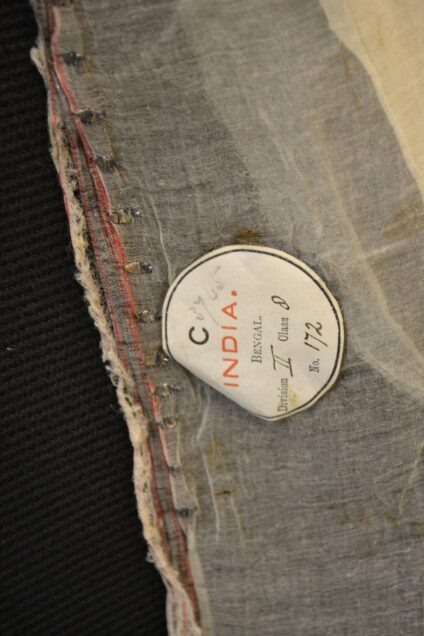
Textile Tracing and Sensory Manipulation
What does authenticate really mean? My mobile phone screen is awash with the applications necessary to authenticate my digital life. One code, ideally arbitrary and equally unmemorable to the user, unlocks a second code connected to a known device or biometric data. In stark contrast with digital authentication, consumers of the past would have relied on their sensory knowledge to authenticate textiles. Through touch, and at times even smell, consumers verified that the cloth in their hands was indeed as claimed. The complexity of textile production today and a growing loss of ability to trust our senses means that few—beyond the aesthetes among us—can confidently discern if a fabric feels as the label purports. Today, the vast majority of consumers are instead reliant on the accuracy of the manufacture’s label...